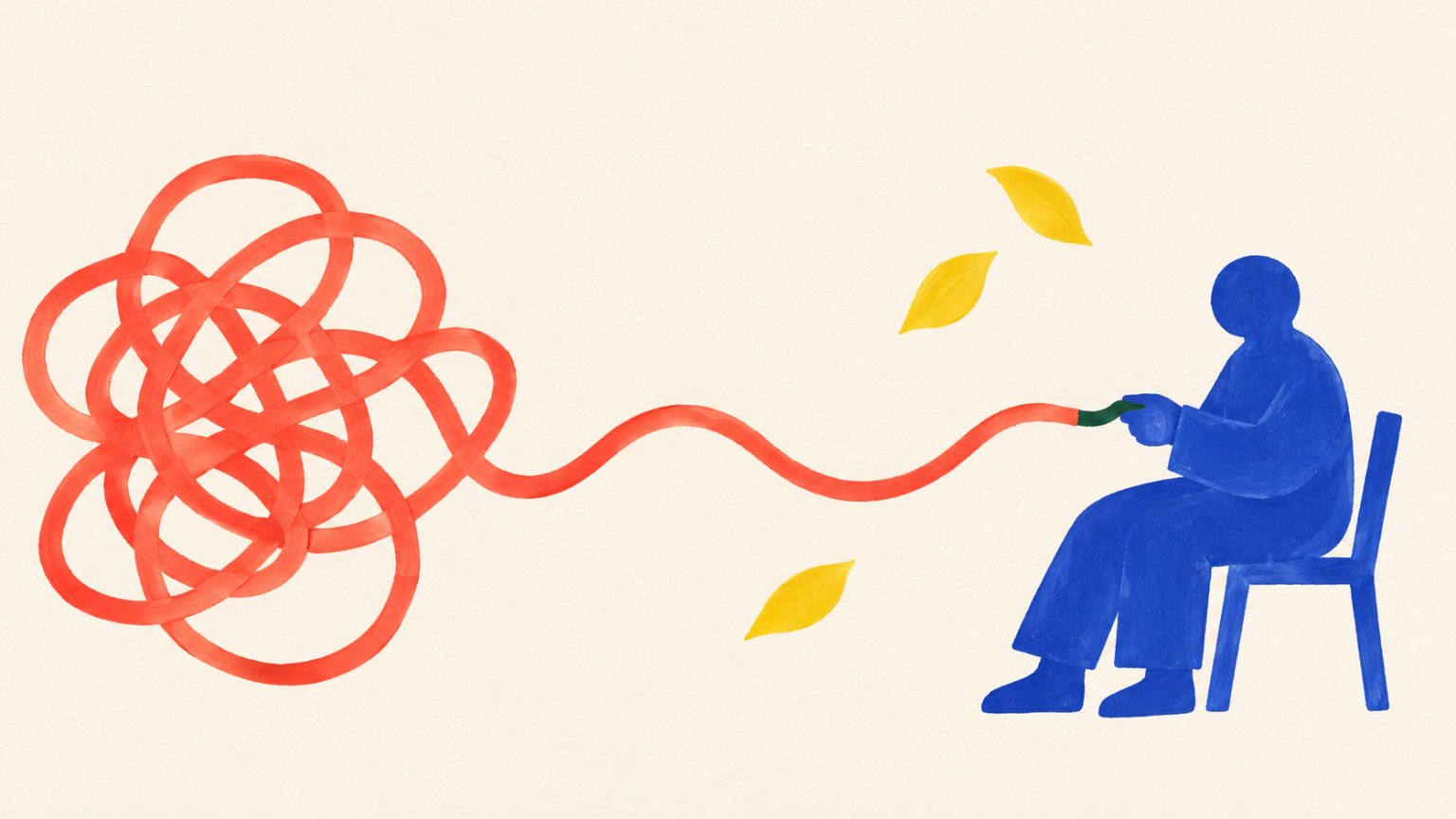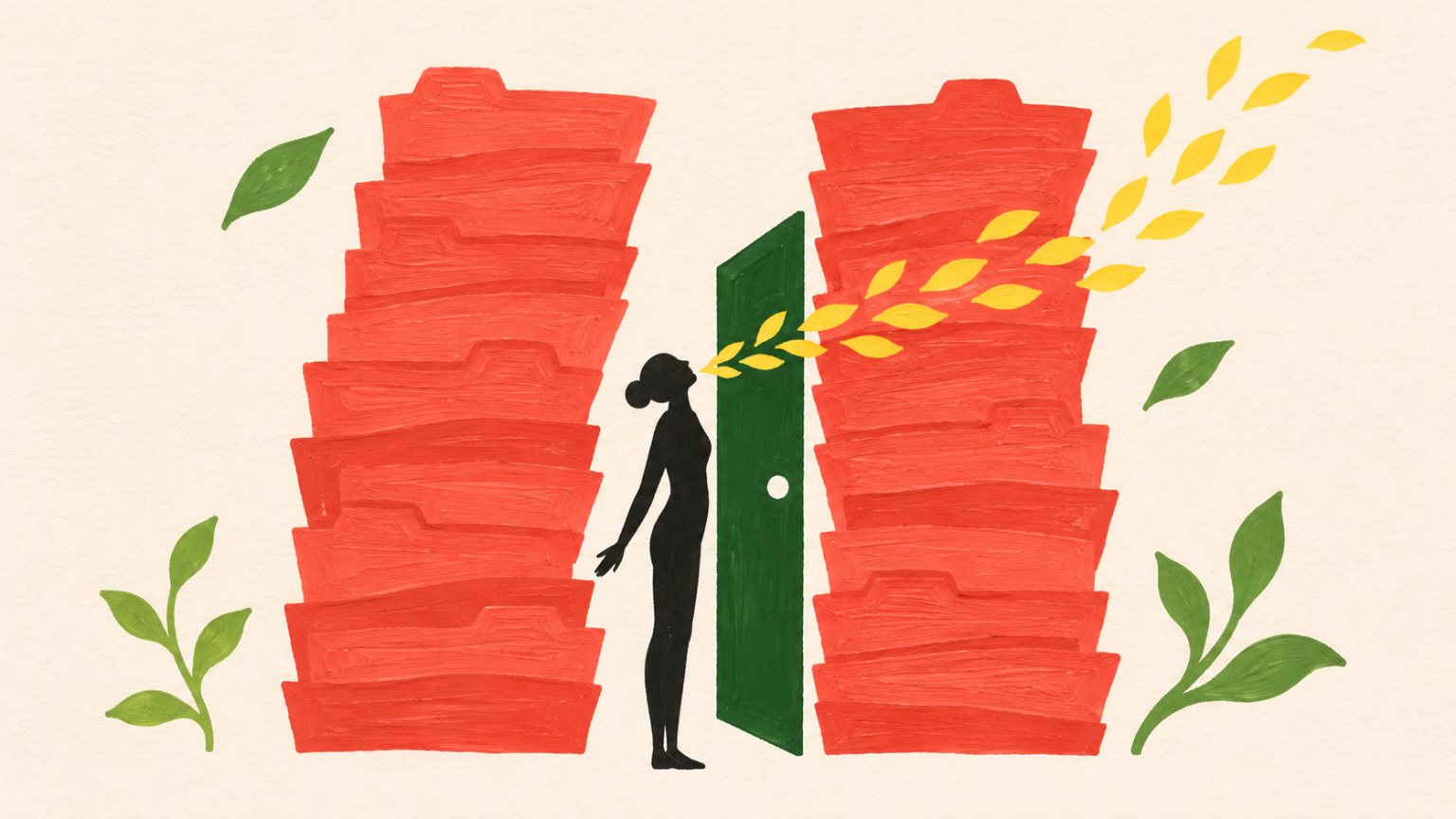


Making decisions is part of every managing director’s daily life, and in the end you decide alone. But deciding alone doesn’t mean thinking alone. I have run a limited company for more than ten years and, as a coach and mediator, I support managing directors as their sparring partner. My experience: good decisions come from many perspectives, an honest gut feeling and the courage to admit mistakes.
A decision is only as good as the knowledge behind it
Decisions are only ever as good as the knowledge you have at that moment. That is why it matters so much to look at as many aspects as possible and to have competent partners for it.
Who I ask
Almost every business decision has tax and legal sides: every new deal, every contract, every question of leading people. So I regularly seek advice:
- Tax adviser: for the tax consequences
- Lawyer: for contracts and employment law
- Other business owners: It helps to talk to other entrepreneurs about how they handle things. That is always good input.
Each of these partners, however, sees only their own slice. Bringing the pieces together remains my job as managing director. That is the real art.
Write everything down and think the outcome through
Before important decisions I put together a collection of information. The format matters less: a pros-and-cons list, a mind map, whatever suits.
What counts is looking ahead. I try to think the outcome through properly, with every aspect that belongs to it: Who else does it affect? Whom does it influence, and how? Every decision has ripple effects. The biggest mistake is not having foreseen the consequences well.
When it’s time to decide
How do I know I know enough? Honestly, it has a lot to do with gut feeling: the sense that I now have the overview. And that gut feeling is built on experience. Over time you learn to make better and better decisions. Hopefully.
Research gives the gut more credit than many people think. Psychologist Gerd Gigerenzer, long-time director at the Max Planck Institute for Human Development in Berlin, describes intuition as felt knowledge whose reasons we are not aware of. It often rests on surprisingly simple rules of thumb, so-called heuristics, and these can be very helpful precisely under uncertainty (interview with Gerd Gigerenzer, AMS research network, in German).
There is one important caveat, though. Daniel Kahneman and Gary Klein looked at when professionals’ intuition can be trusted. Their conclusion: whether a gut feeling is reliable depends on how predictable the environment is and whether you have had enough opportunity to learn its regularities through experience (Kahneman & Klein, American Psychologist 2009). For me this means: in areas I know well, I trust my gut. With new topics, I write the list especially carefully.
When gut and list disagree
What if the list says yes and the gut says no? I usually follow my gut. In my experience the gut feeling is right, and the list simply wasn’t written thoroughly enough.
This is where an outside view helps: someone who keeps asking until the list is at least close to complete.
And if it was the wrong decision after all?
That is part of it too. The first step is to acknowledge what is. Accepting the current situation, agreeing that it is now the way it is, is the foundation for bringing about change from there. Only then can you work on it.
Making good decisions: a short summary
- Gather information from many angles: tax, law, practice, other entrepreneurs.
- Write everything down, in whatever format suits you.
- Think the consequences through: who does it affect, and how?
- Take your gut feeling seriously, and if it disagrees, complete the list.
- Acknowledge wrong decisions instead of pushing them aside, and then act anew.
Why managing directors so often decide alone is the topic of Loneliness at the Top. If you want to play an upcoming decision through with someone: business coaching or a free 20-minute introductory call.